
Beds with a real edge, plants that survive their first Buffalo winter, and mulch that stays put. Landscaping that still looks right in year three.
Good landscaping in Buffalo starts with the right plant in the right spot. We plant for zone 6, for clay, and for the wind that comes off the lake, so the shrubs we put in the ground are still there after the first January.
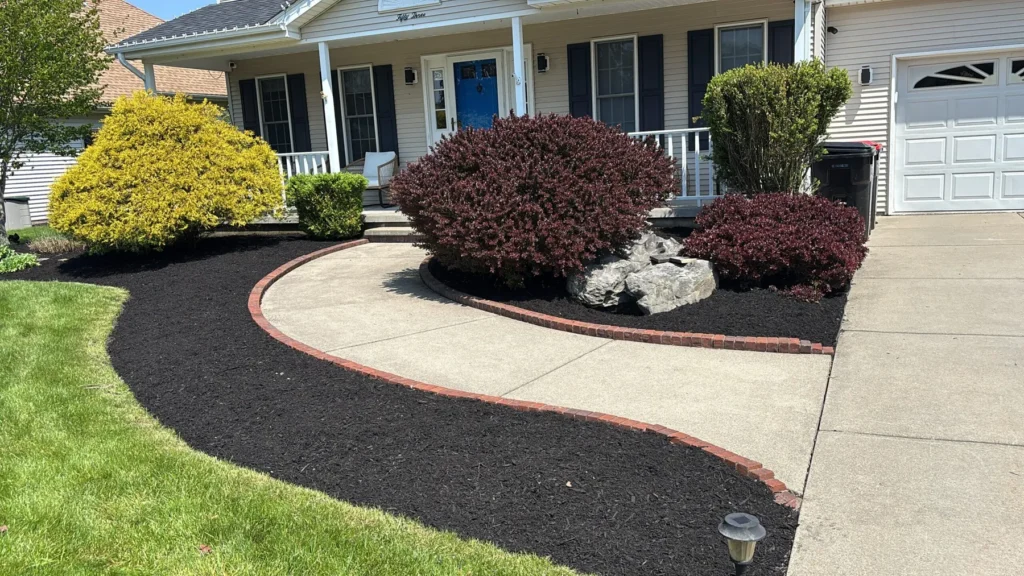
The rest is craft. A spade-cut edge that holds its line. Beds shaped to the house instead of squared off. Two to three inches of mulch, not six. Hedges trimmed to a shape you can keep, not scalped into a box.
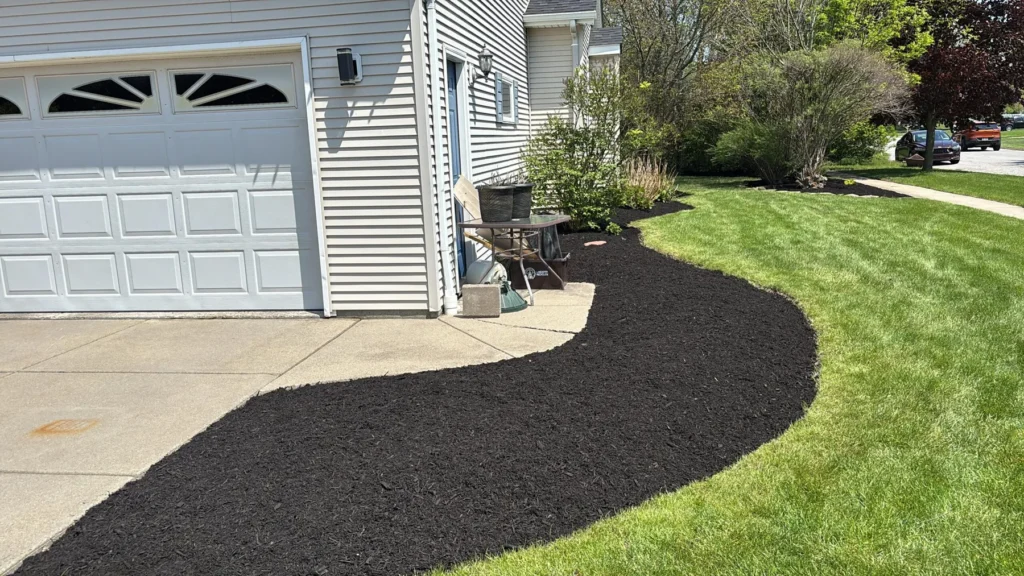
We walk the property with you, sketch the beds, pick plants that fit the light and the soil, and install the whole thing in one visit. Foundation plantings, front entries, corner beds and full front-yard makeovers.
Evergreens for winter screening, flowering shrubs for spring color, and shade trees sited so they never touch the roof or the sewer line. Every plant goes in with the root flare exposed and a proper watering basin.
Fresh dyed or natural hardwood mulch, applied over a clean, weeded, freshly edged bed. We keep it off the trunks and away from the siding so it feeds the bed instead of rotting it.
A spring cleanup and a mid-summer visit keep beds defined and weeds under control. We recut the edges, pull weeds by hand, cut back spent perennials and top up mulch where it has thinned.
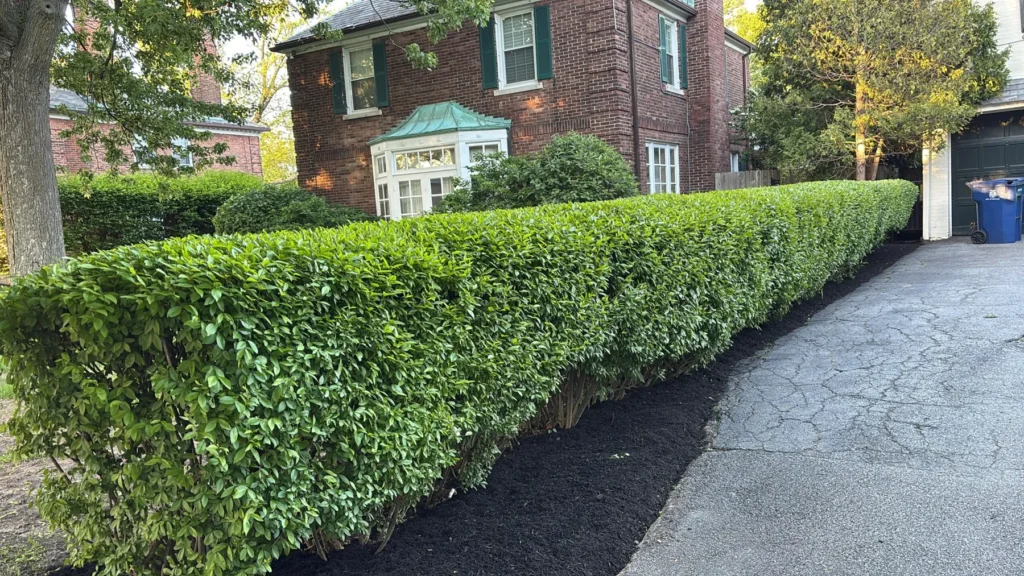
Privet, yew, boxwood, arborvitae and the overgrown forsythia in the side yard. We trim at the right time for each species so the hedge stays dense at the bottom and flowers still bloom.
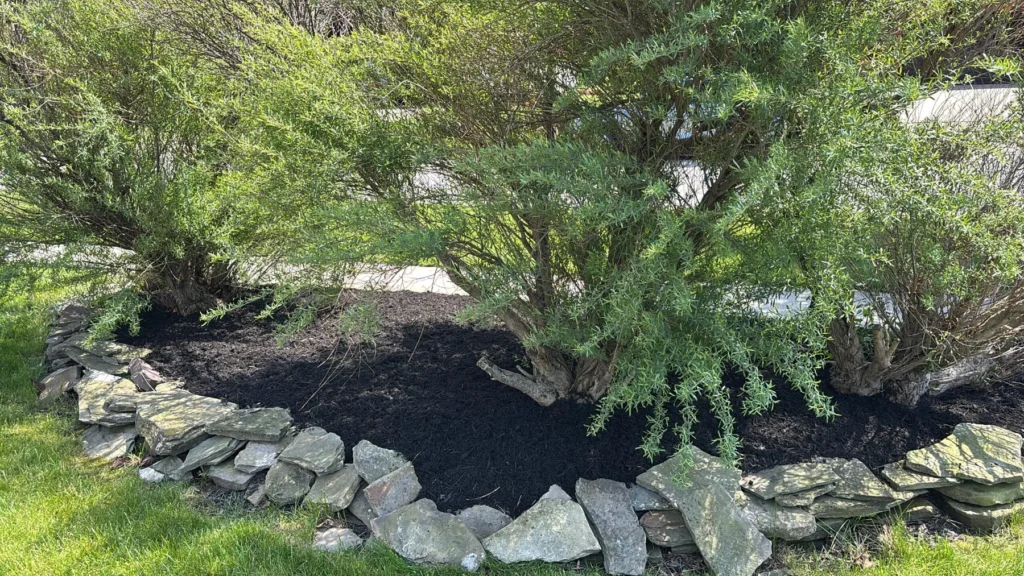
Buffalo is USDA zone 6. The plants that look great at the big-box store in May are often zone 7 stock that will not see a second spring here. We source from local growers and pick varieties with a record in Western New York.
Clay soil is the other factor. Dig a hole in Amherst or Cheektowaga and it fills with water. We plant slightly high, amend the backfill and shape beds so they shed water instead of holding it against the roots.
Spring after the ground drains, usually late April into June, or early fall from Labor Day to mid October. Fall planting gives roots a head start before the summer heat. We avoid planting in the July heat and never after the ground starts to freeze.
Once a year for dyed mulch, since the color fades by mid summer. Natural hardwood can go 18 months. Either way we only add what is needed to reach two to three inches total. Piling more on every year suffocates the plants.
Yes. We tear out overgrown junipers, dead yews, rotten timber edging and the rock beds nobody wants anymore, haul it away and start fresh.
Usually, but not in one cut. Privet and yew can be brought down hard in late winter and will regrow. Arborvitae and most evergreens will not fill back in if you cut past the green, so we reduce those over two seasons or recommend replacement.
Tell us the town and what the yard needs. We call back, walk it with you, and put the price in writing.